Inexpensive Mold Remediation Services: Your Answer to a Healthier Environment
Affordable mold remediation services hold an essential role in supporting a healthy living environment. Mold can pose significant health risks and affect the structural integrity of homes. Fortunately, a variety of budget-friendly options are offered to combat this issue effectively. Homeowners often fail to notice the signs of mold growth or underestimate its impact. Understanding the range of solutions available can empower individuals to take proactive steps. What are these options, and how can one choose the right approach?
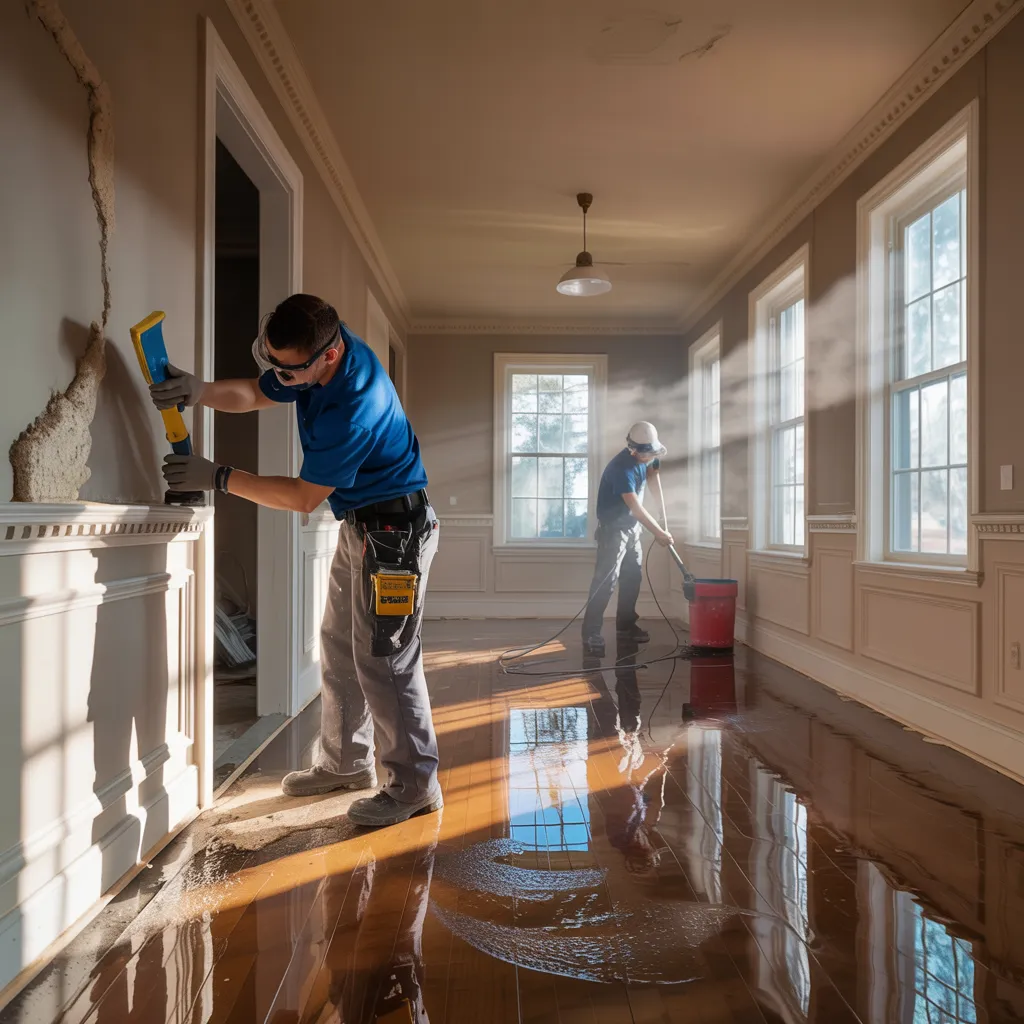
Warning Signs You Need Mold Remediation Services
How can property owners identify the need for mold removal services? Property owners should remain attentive for several key indicators. Mold that is visible, often appearing as dark spots or fuzzy patches, is a primary sign. Additionally, lingering musty odors within the home can signal hidden mold. Rising allergy symptoms among family members, such as coughing or sneezing, may also indicate mold presence. Property owners should inspect areas prone to moisture, including bathrooms, basements, and around plumbing fixtures. Stains from water on ceilings or walls can further suggest possible mold development. Furthermore, peeling paint or wallpaper can indicate underlying moisture issues conducive to mold growth. Should any of these signs appear, it is crucial for property owners to act quickly. Disregarding these indicators can lead to more extensive damage and higher remediation costs. Seeking professional assistance early can help ensure a healthier home environment and protect property value.

Comprehending the Wellness Hazards of Mold Exposure
Mold contact can result in a range of health issues, such as breathing difficulties and skin irritations. Specific groups, such as children, the elderly, and individuals with pre-existing conditions, are especially vulnerable to these impacts. Comprehending these dangers is vital for ensuring safety and health in spaces where mold is found.
Widespread Physical Disorders
Though often overlooked, the health dangers connected to mold exposure can be substantial and varied. Individuals exposed to mold may suffer from breathing problems, including coughing, wheezing, and shortness of breath. Allergic reactions, such as sneezing, itchy eyes, and skin rashes, are also common. Extended exposure can worsen asthma symptoms and lead to chronic sinusitis. In some cases, mold emits mycotoxins, which can result in more severe health problems, such as neurological symptoms and immune system suppression. Furthermore, those with existing health issues often face elevated risks. Recognizing these common health problems highlights the importance of prompt mold remediation, ensuring a safer environment for all inhabitants and reducing potential lasting health consequences associated with mold exposure.
Vulnerable Groups Impacted
Certain segments are more vulnerable to the health risks linked to mold exposure, requiring greater awareness and preventive actions. Those with pre-existing respiratory conditions, like asthma or chronic obstructive pulmonary disease, can experience exacerbated symptoms when exposed to mold. Kids, whose immune systems remain immature, are notably vulnerable to respiratory ailments and allergic responses. Older adults, who commonly have weakened immune systems, likewise face heightened risks. Also, expectant mothers may face complications potentially affecting their health and that of their fetus. Those whose immune systems are impaired by conditions like HIV/AIDS or some medications face a greater risk of serious infections. Understanding these vulnerable groups is key to implementing efficient mold remediation methods.
Affordable Mold Removal Alternatives
Finding cost-effective and budget-friendly mold remediation solutions is crucial for property owners facing mold problems. Various strategies can help reduce expenses while guaranteeing thorough remediation. One alternative is to work with local neighborhood initiatives that provide assistance or grants for mold removal, particularly for low-income families. Do-it-yourself approaches, such as using vinegar or baking soda, can also provide short-term solutions for minor mold infestations.
Additionally, homeowners can locate firms that feature affordable solutions, which regularly present special offers or reductions for larger jobs. Prompt action is necessary to forestall continued harm and greater repair costs.
Regular attention to ventilation systems and damp prevention in basements and bathrooms can limit mold expansion, yielding long-term savings. By investigating these economical solutions, homeowners can effectively manage mold issues without incurring exorbitant expenses, creating a healthier living area for their families.
How to Select Reliable Mold Elimination Solutions?
When picking credible mold removal companies, scrutinizing credentials and certifications is paramount for verifying professionalism. Moreover, the competency and experience of the specialist can greatly determine the success of mold treatment initiatives. These factors help homeowners form informed choices and sidestep possible complications.
Professional Credentials and Accreditations
Determining dependable mold remediation services rests on the credentials and certifications of the experts engaged. It is vital to confirm that specialists are accredited by reputable organizations such as the Institute of Inspection, Cleaning, and Restoration Certification (IICRC) or the National Organization of Remediators and Mold Inspectors (NORMI). These accreditations indicate a dedication to professional guidelines and best practices. Furthermore, professionals should possess appropriate training in mold removal methods and security measures. Licensing may also be necessary based on regional ordinances, further guaranteeing responsibility and adherence. Verifying for coverage safeguards property owners from possible liabilities during the remediation process. Ultimately, comprehensive investigation on credentials fosters confidence in the selected mold removal service.
Seasoned Experience and Specialized Knowledge
Experience and expertise function as important standards in the pursuit for dependable mold removal solutions. Companies with an established history of success often exhibit their capability to manage diverse mold issues efficiently. Evaluating the length of a service provider's operation in the industry can uncover their knowledge with various mold types and treatment techniques. Additionally, expertise in ecological safety standards and best practices is crucial, as improper handling can worsen health risks. Potential clients should request testimonials and case studies that highlight successful remediation projects. Engaging with qualified professionals ensures that the service provider not only possesses the necessary skills but also adheres to industry regulations, providing peace of mind and a cleaner environment for all.
DIY or Professional Mold Treatment
While many homeowners may think about attempting mold removal themselves, the choice between DIY and expert help can greatly affect both health and property. DIY methods often utilize readily available household cleaners, which may appear cost-effective. However, these approaches can be inadequate for extensive mold outbreaks, potentially leading to incomplete removal and recurring issues.
Professionals, conversely, have expert instruction and tools that guarantee thorough remediation. They can detect underlying moisture sources and use cutting-edge methods to eliminate mold successfully. Additionally, professionals are prepared to handle the health risks linked to mold exposure, protecting both the occupants and the structure.
Ultimately, while do-it-yourself solutions might appear appealing for minor issues, bigger pest outbreaks warrant the knowledge of professionals to ensure total elimination and long-term safety. Investing in professional services can avoid upcoming issues and sustain a healthier living environment.
Strategies for Reducing Future Mold Expansion in Your Home
After addressing mold issues, homeowners should focus on preventive measures to avoid future proliferation. First, sustaining ideal moisture control is important; indoor humidity should be set between 30% and 50%. Deploying dehumidifiers in moist regions, such as basements, can greatly reduce moisture.
Regularly checking and fixing leaks in roofs, plumbing systems, and windows inhibits water accumulation, which triggers mold growth. Additionally, providing adequate air exchange in bathrooms and kitchens promotes air circulation, further reducing humidity.
Homeowners should also consistently clean and dry areas inclined to moisture, such as shower curtains and sink traps. Employing mold-resistant products, including paints and building materials, can deliver an extra layer of protection.
Lastly, maintaining clean gutters and guaranteeing adequate drainage around the foundation will assist in preventing water from entering the home. By applying these methods, homeowners can create a mold-resistant environment and preserve a healthier living space.
Regularly Sought Answers to Questions
What Period Should You Anticipate for the Mold Remediation Process?
Mold removal typically takes between one to start here seven days, contingent upon the extent of the contamination and the size of the impacted region. Multiple elements like moisture removal and repair work can prolong the timeline.
Will my coverage cover mold removal expenses?
Protection for mold remediation costs under insurance differs depending on your policy. Generally, protection may apply if the mold stems from a covered event. Homeowners should reach out to their insurance provider to obtain detailed information about their coverage.
What Kinds of Mold Tend to be Most Commonly Found in Dwellings?
Common varieties of fungus found in homes include Aspergillus, Cladosporium, and Stachybotrys (black mold). These molds flourish in moist environments and can pose health hazards, making detection and removal crucial for a safe living space.
Am I allowed to remain in My Home During Mold removal?
During the mold removal process, it is generally advised to leave your residence, particularly when cases are severe. Experts evaluate safety risks, ensuring minimal exposure to harmful spores, which can cause health issues for residents.
How Can I Identify if Mold Removal Was Effective?
To determine if mold removal was productive, one should check for stubborn odors, detectable mold, and dampness levels. Implementing air quality checks and ensuring thorough inspection by qualified experts can affirm the effectiveness of the restoration process.